How to cut fleet costs without compromising efficiency
Managing a fleet is an expensive endeavour, with costs piling up from fuel, maintenance, insurance, and compliance. However, cutting costs does not have to mean sacrificing efficiency. With the right strategies, fleet managers can reduce expenses while maintaining smooth and reliable operations. Here are some practical ways to achieve this balance.
Optimise route planning for fuel efficiency
Poor route planning leads to wasted fuel, increased wear and tear, and unnecessary delays. By using route optimisation software, fleet managers can reduce mileage, improve fuel efficiency, and enhance delivery times. Telematics solutions provide real-time data that help identify the best routes, avoid traffic congestion, and minimise idle time.
Implement preventative maintenance to reduce fleet expenses
Unplanned breakdowns are costly and disruptive. A proactive fleet maintenance schedule helps identify and fix minor issues before they turn into major repairs. Regular oil changes, tyre checks, and engine diagnostics improve vehicle longevity and reduce overall maintenance expenses. Fleet management software can automate maintenance reminders and track service history to ensure vehicles stay in top condition.
Monitor driver behaviour to lower fuel and maintenance costs
Aggressive driving, excessive idling, and harsh braking contribute to higher fuel consumption and increased maintenance costs. By implementing telematics systems, fleet managers can monitor driver behaviour in real time and provide coaching where needed. Encouraging fuel-efficient driving techniques not only reduces expenses but also improves road safety.
Use fuel management strategies for cost savings
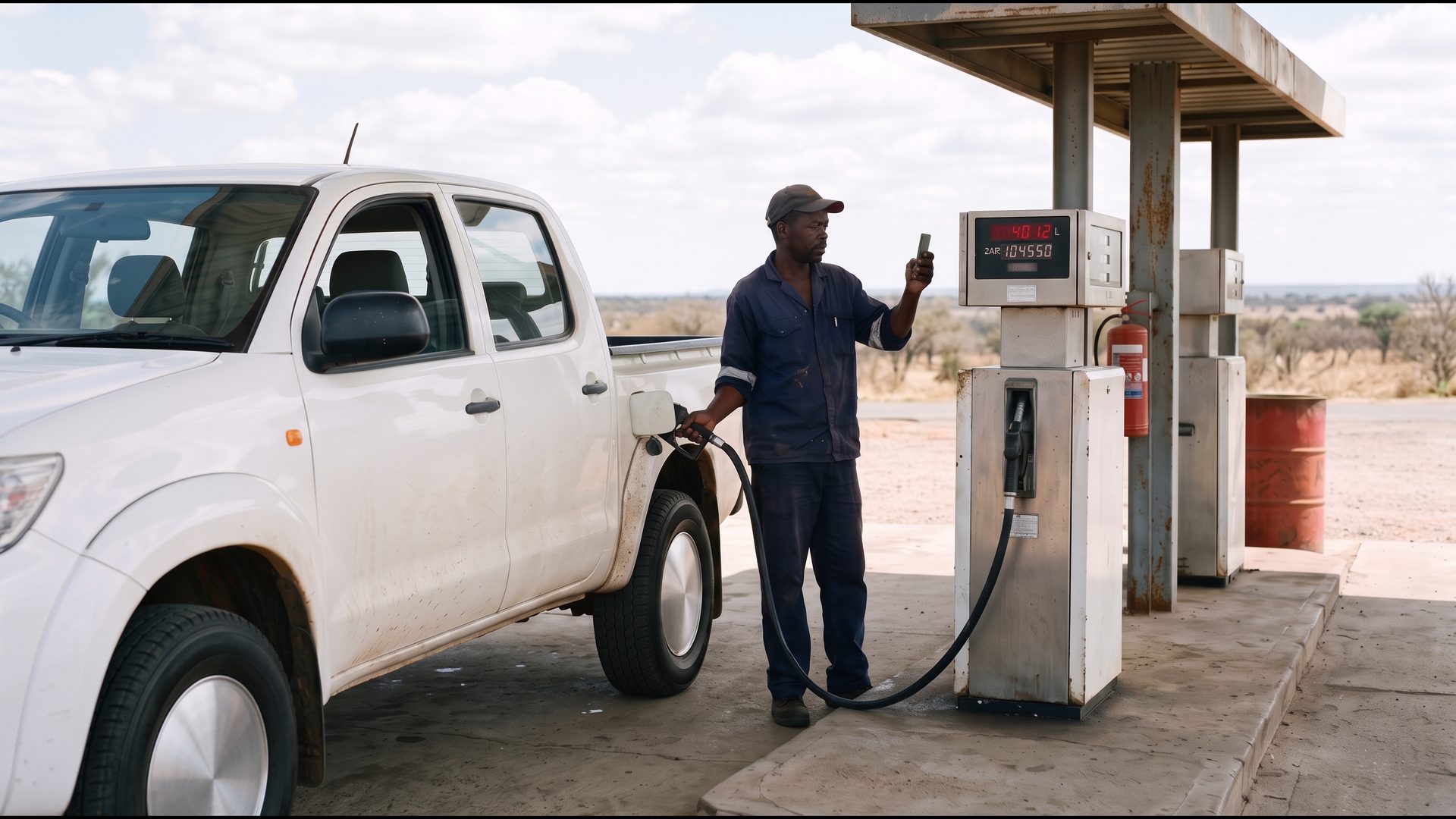
Fuel is one of the most significant expenses in fleet operations. Fleet managers can cut fuel costs by adopting strategies such as:
- Using fuel cards for better tracking and discounts
- Encouraging eco-driving habits
- Implementing idle-reduction policies
- Monitoring fuel usage through telematics data Switching to alternative fuels or electric vehicles (EVs) can also lead to long-term cost savings.
Right-size your fleet to reduce unnecessary costs
Operating more vehicles than necessary leads to wasted resources. Conducting a fleet utilisation analysis helps identify underused vehicles that can be downsized or reassigned. Eliminating unnecessary assets reduces maintenance, insurance, and depreciation costs.
Improve insurance management for fleet cost reduction
Fleet insurance premiums can take a toll on a company’s budget. Fleet managers can lower costs by:
- Regularly reviewing policies to ensure competitive insurance rates
- Investing in driver training programmes to reduce accident risk
- Installing telematics devices that demonstrate safe driving habits to insurers
- Increasing deductibles where appropriate
Digitise fleet management with advanced software
Manual record-keeping is time-consuming and prone to errors. Fleet management software centralises data, streamlines operations, and provides actionable insights for cost control. Automated fleet reports help managers track expenses, monitor fuel consumption, and optimise vehicle performance without the hassle of paperwork.
Where Simply Fleet fits. Simply Fleet brings these cost levers into one place: service schedules and maintenance history, fuel card spend and expenses per vehicle, and an asset register that shows which vehicles earn their keep. Book a demo and we’ll show you how it would work for your fleet.
More from On the Move: The importance of data-driven decisions in fleet management · How to streamline your fleet off-boarding process using AI